

<img height="1" width="1" style="display:none;" alt="" src="https://px.ads.linkedin.com/collect/?pid=2675577&amp;fmt=gif">

See how well your controls hold up, before someone else does

SVA looks at how transactions are approved, recorded, and reconciled across your organization, tests whether key controls work, and recommends practical improvements your team can put in place.

Your organization has grown faster than its processes. The same few people approve, record, and reconcile the same transactions. Your board or audit committee wants an independent view of controls. And you're not sure where your biggest risks are.

What you gain with an internal control assessment:

  • Bring your controls in line with the size of your organization today

  • Divide key duties in a way that works for your staff

  • Give your board or audit committee an independent view

  • Know which risks matter most and where to start

  • Identify the appropriate type of engagement to meet your reporting needs

How an internal control assessment runs

We evaluate your existing processes and controls to identify practical opportunities to strengthen oversight, improve accountability, and safeguard your organization's assets.
We'll review how key transactions are authorized, recorded, and handled, including who's responsible for each step and what controls are currently in place.
We'll assess how responsibilities are divided and identify opportunities to strengthen segregation of duties and implement preventive and detective controls to improve oversight and accountability.

We'll share our observations and recommend practical improvements tailored to your organization's size, staffing, and operations to help strengthen internal controls.

Where an internal control assessment helps

Financial processes

Approvals, disbursements, payroll, revenue, and the month-end close.

Segregation of duties

Dividing key tasks in organizations with small accounting teams.

Internal audit support

Reviewing processes and controls on behalf of management or the board.

Audit committee advisory

Supporting boards and audit committees in their oversight role.

Fraud risk

Assessing where weak controls leave you exposed to fraud.

Understanding internal controls

What are internal controls?
Internal controls are the policies and procedures an organization uses to make sure transactions are authorized, recorded accurately, and reviewed. They protect assets, support reliable reporting, and help the organization follow the rules that apply to it.
What is segregation of duties?
Segregation of duties divides key steps in a process, such as approving, recording, and reconciling, among different people. When one person can do all three, it's harder to catch errors and misuse.
What is a control deficiency?
A control deficiency exists when a control is missing or doesn't work well enough to prevent or catch an error in time. More serious deficiencies are called significant deficiencies or material weaknesses, depending on how much they could affect your reporting.

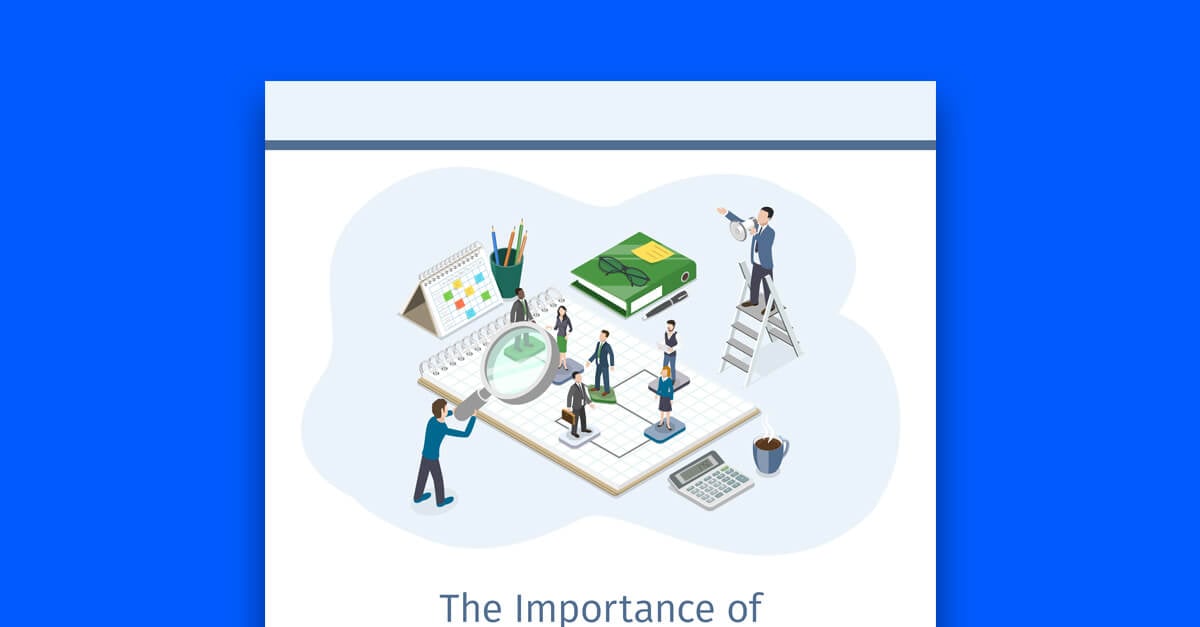
The Importance of Internal Controls

Do you know how your internal control system rates? Check out the defining features of internal controls with this eGuide.
LEARN MORE
EG-006 - The Importance of Internal Controls

Hear directly from SVA professionals on topics affecting your business

Questions leaders often ask about internal controls

Yes. Small organizations can't always separate every duty, so we look for practical alternatives, such as an owner reviewing key reports or a second person checking bank reconciliations, that fit the staff you have.

An assessment shows where weak controls could let fraud or errors happen and how to close those gaps. If you suspect something has already happened, a forensic accounting engagement is designed to answer that question.
We can assess and recommend, and your team makes the decisions and puts the changes in place, which keeps our independence intact. We'll agree on the right scope with you before we start.
Whenever the organization changes significantly, such as after growth, a new system, or staff turnover, and on a regular cycle otherwise. Your board or audit committee may set its own schedule.

Ready to see where your controls stand?

Let’s chat! Just fill out the short contact form and our team will reach out shortly.
CONTACT US